Sell to us
Sell Used Office Furniture in London
Surplus desks, storage and meeting furniture usually sit in a budget as a disposal cost. They do not have to. We value your furniture free of charge, manage the collection around your building, and pay you for the stock that still has resale value.
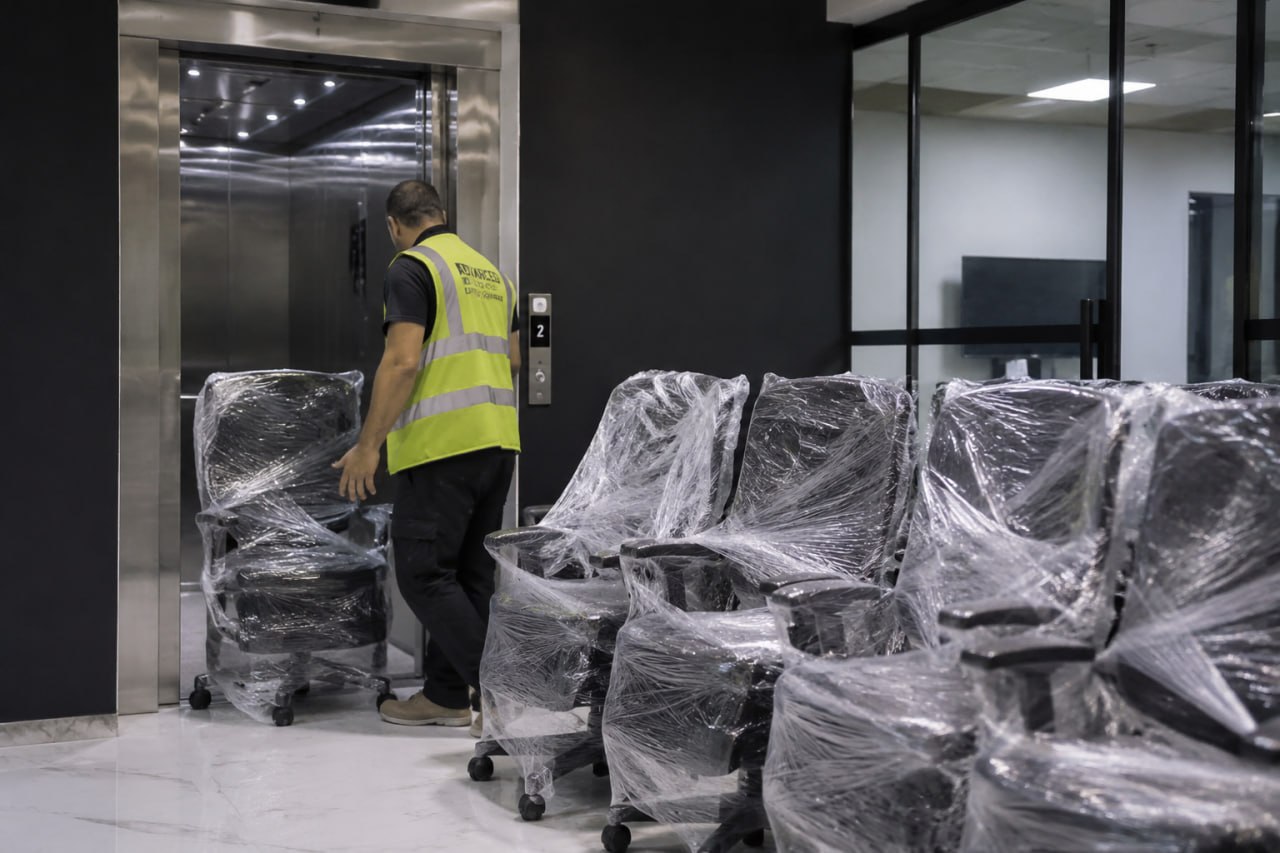
We buy office furniture from businesses right across London — desks and bench systems, height-adjustable frames, task and meeting chairs, pedestals and tambour storage, and meeting and boardroom tables. If it was specified as part of a commercial fit-out and it is still sound, put it on the list.
Most of our work comes from moves, refits and downsizes, where a floor of furniture is surplus at short notice and the default plan is to pay someone to take it away. We look at resale value first and pay you for the stock that has it, whether that is seating alone, desks alone or the whole floor together.
Selling second hand office furniture takes four steps with us: a free valuation from your list and photos, a firm written offer with a fixed price per line, a collection booked around your building, and payment on agreed terms once the stock is checked in.
Nothing is deducted afterwards unless what is on site differs from what was quoted, and you receive a collection note listing exactly what left the building for your finance and asset records.
Chairs are the items most people think of first, but a typical floor holds a lot more than that. We buy desks and bench systems, height-adjustable desks, pedestals and tambour or lateral storage, meeting and boardroom tables, and soft seating and reception furniture. If it was specified as part of a commercial fit-out and it is still sound, it is worth putting on the list.
Three things drive what any of it is worth: condition, brand and the consistency of the batch. Condition is the obvious one — sound frames, working mechanisms, undamaged tops and edges. Brand matters because buyers of second-hand furniture look for the same names they would specify new. Consistency is the one that surprises people most.
A hundred matching desks in the same finish is a product someone can furnish an office with. The same hundred desks in six finishes, three heights and four leg types is a pile of odds and ends that has to be sold piecemeal. Large matched batches are worth meaningfully more, so it is always worth telling us how uniform the stock is when you send the list.
Height-adjustable desk frames hold value well, as demand for sit-stand working has not slowed. Quality bench systems from recognised manufacturers, branded storage such as Bisley pedestals and tambour units, and boardroom tables in good condition all resell reliably. Reception and soft seating can do well where the specification is commercial rather than domestic.
Low-cost flat-pack furniture rarely has resale value. Melamine tops chip, edges lift, and the cost of moving and storing the items exceeds what anyone will pay for them. We would rather say that plainly at the valuation stage than overpromise and revise the figure later. Where a batch has no resale value, we will tell you and can still clear it alongside the stock we are buying.
One practical note: seating usually carries the most value of anything on a floor, so if the chairs are also going, include them. Our sell used office chairs page covers what we look for in seating, and if the stock includes Herman Miller our Herman Miller Aeron buying page sets out grading for that range specifically.
The process is deliberately light on your time, because a furniture disposal is rarely the only thing on a facilities manager's desk that week.
- Send us what you have. A rough list and a handful of phone photos is enough to start — item types, quantities, finishes, and the floor or site they are on. A furniture schedule or asset register from the original fit-out is even better, but not required.
- Desk valuation. We come back with an indicative figure, usually within one working day, so you know early whether the numbers are worth taking to your budget holder before anyone commits to a site visit.
- Site assessment. For larger volumes we visit and check a representative sample: desk tops and edges, frame and mechanism condition on height-adjustable units, storage locks and keys, and how consistent the batch really is. We also look at the practical side — lift access, loading bay, protected floors, building rules and permitted working hours.
- Firm written offer. You receive a fixed price per line, the collection scope, what we are taking and what we are not, and the payment terms. Nothing is deducted afterwards unless the stock on the day differs from what was quoted.
Furniture collections are booked around the building rather than around us. Central London work is routinely done in the evening, overnight or at weekends, and we are used to loading bay bookings, goods lift permits and landlord conditions. RAMS, insurance certificates and staff details are provided in advance for building management sign-off.
Our team dismantles desks and bench runs where needed, protects lift lobbies and corridors, and leaves the floor swept and clear. You receive a collection note listing exactly what left the building, which is normally what finance or the asset team needs for write-off records. Where you need it, we can also supply a reuse and recycling summary showing the proportion of stock diverted from landfill, which is useful evidence for ESG reporting.
If the furniture is going as part of a full-floor strip-out, it usually makes sense to handle everything in one job. Our office clearance London service covers the whole floor, with the resale value of the good stock offset against the cost of clearing the rest.
Get a free valuation
Send us a list and a few photos of your surplus furniture and we'll come back with an indicative figure, usually within one working day.
FAQ
Selling used office furniture — common questions
Branded desks and bench systems, height-adjustable desks, pedestals and storage, meeting and boardroom tables, and seating — all in resaleable condition. Normal office wear is expected and fine. What we cannot use is damaged stock, low-grade flat-pack furniture or items that are heavily worn, water damaged or missing components.
Yes. We regularly buy desks, storage and tables on their own. That said, seating usually carries the most value of anything on a floor, so where the chairs are also surplus a mixed batch normally produces a better overall outcome for you.
A workable guide is one van load, or around 10 or more desks or workstation positions, before a standalone collection makes sense. Smaller lots of high-value items — a boardroom table, a run of height-adjustable desks — can still be worth a call, and small batches can often be picked up alongside another job in the same area.
Yes. We can take the remaining items as part of a wider clearance, with the resale value of the good stock offset against the cost of clearing the rest. That gives you one contractor, one collection and one set of paperwork rather than two.
Anything without resale value is stripped for usable parts where possible and the rest is recycled through licensed facilities. Nothing goes to landfill by default, and a reuse and recycling summary is available on request for ESG and Scope 3 reporting.